Nourishing Your Body During Vata Season
Ayurveda, meaning “the science of life,” is an ancient healing tradition from India. It takes a holistic approach to wellness, focusing on balance in the mind, body, and spirit through nutrition, natural remedies, and everyday lifestyle practices. In Ayurveda, there are three doshas or energy forces (vata, pitta, and kapha) which can help us better understand ourselves and the natural world.
The end of summer signals the start of a new season—Vata season—and there are different ways to help nurture and nourish your body through this season. Read on to learn more about Vata season and all the ways you can support your body.
What is Vata season?
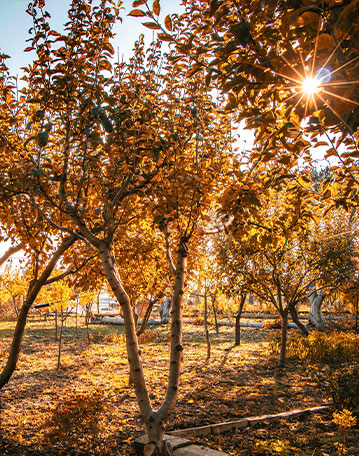
As autumn draws nearer and temperatures drop, we begin to enter Vata season. Vata’s characteristics are air and ether, and Vata is usually described as dry, light, cold, rough, subtle, mobile, and clear. Vata is most often associated with fall, and it is a time of transition but also of possibility.
Tips to stay nourished during Vata season
Autumn brings cooler, drier weather, and less daylight hours. To counteract the toll these changes can have on your mental and physical health, it can be helpful to lean in to comfort, warmth, deep nourishment, and a sense of stability and groundedness.
1. Nourish your body with seasonal foods
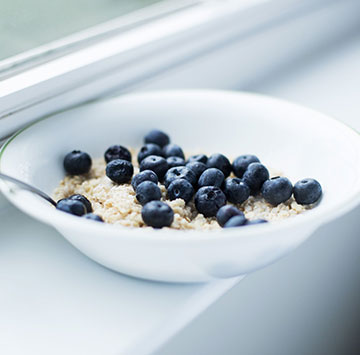
During Vata season, nourish your body with foods that are served hot and contain lots of warming spices. Foods rich in protein and fat are also particularly beneficial. Start your day with cooked grains like oatmeal, tapioca, or cream of wheat. For other meals throughout the day, soups and stews are great additions to your Vata diet, and they add moisture to offset Vata’s dryness. Consider adding root vegetables like roasted carrots, turnips, beets, and parsnips as well.
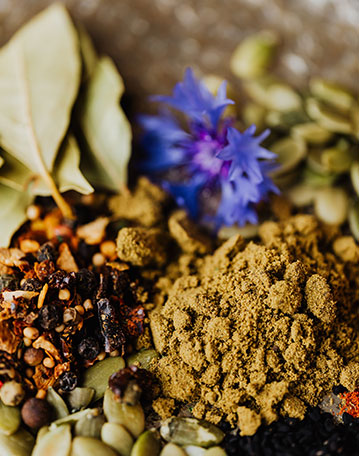
Warming spices to use during Vata season include cinnamon, ginger, cumin, cloves, salt, and cardamom. These spices as well as the warm foods help to counterbalance the coldness and dryness of the season. Additionally, warm and spiced foods are often more comforting and grounding, which is also especially beneficial during Vata season.
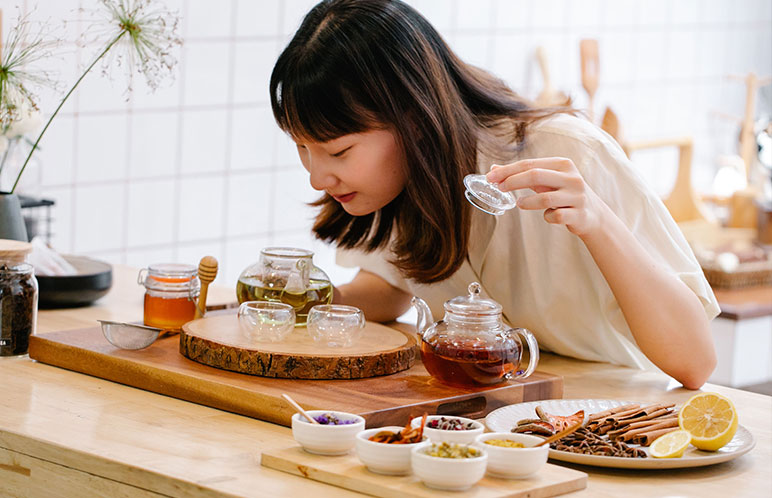
2. Drink warm herbal tea
Warming herbal teas, like ginger, licorice, fennel, and cinnamon teas are a great way to warm your body during Vata season, and provide additional hydration without caffeine.

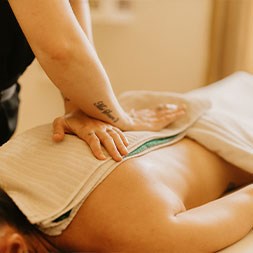
3. Self-massages with warm oil
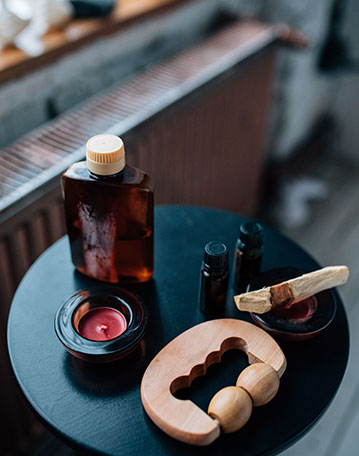
Self-massages with warm oil (like sesame or almond) are a lovely way to nourish your dry skin, calm the nervous system, and offer a sense of comfort and grounding. This practice is called abhyanga, and it has been found to reduce anxiety and stress. Combining a self-massage with a slow yoga routine can be a great way to start the day during Vata season, and a way to thank your body for all it does for you.
4. Establish a routine that works for you
It can be helpful to establish a routine that you follow every day. Try to wake up and go to sleep at approximately the same time every day. And don’t forget to schedule time for self care. Consider setting up time in the morning and evening for practicing gentle yoga or meditation to ground yourself during Vata’s variability and instability. A consistent routine aligned to the rhythm of nature can help foster a sense of calm.

5. Book a consultation with Sonia for support on your wellness journey
Sonia is an Ayurveda Health Counsellor at Wellness on Whyte, and she is devoted to restoring balance in the lives of those in her community through Ayurvedic lifestyle practices, herbal wisdom, and restorative therapies. She supports clients as they reconnect with the natural intelligence of their bodies and helps them bring their bodies back into harmony. She believes that when all beings are nourished, supported, and connected to their inner rhythms, they thrive—as do the communities around them, and the lineages of theirs to come.
Be kind to yourself and your body during Vata season. If you would like help on your wellness journey, book in for a consultation to see Sonia.